How Rehab Technology Can Help Attract More Patients and Grow Your Clinic

Giuliana Kinnerly • October 7, 2026

For rehabilitation clinics, investing in technology is about much more than purchasing a new piece of equipment.


The right rehabilitation technology can enhance patient care, support therapists and improve the patient experience, but it can also play an important role in business growth.


In an increasingly competitive healthcare market, clinics need to think about not only how they deliver rehabilitation, but also how they attract new patients, stand out from competitors and create opportunities to grow...


Standing out from the competition

Patients have more choice than ever when it comes to where they receive their rehabilitation. Simply offering physiotherapy or rehabilitation services may no longer be enough to differentiate your clinic. Investing in innovative rehabilitation technology can give you a clear point of difference.


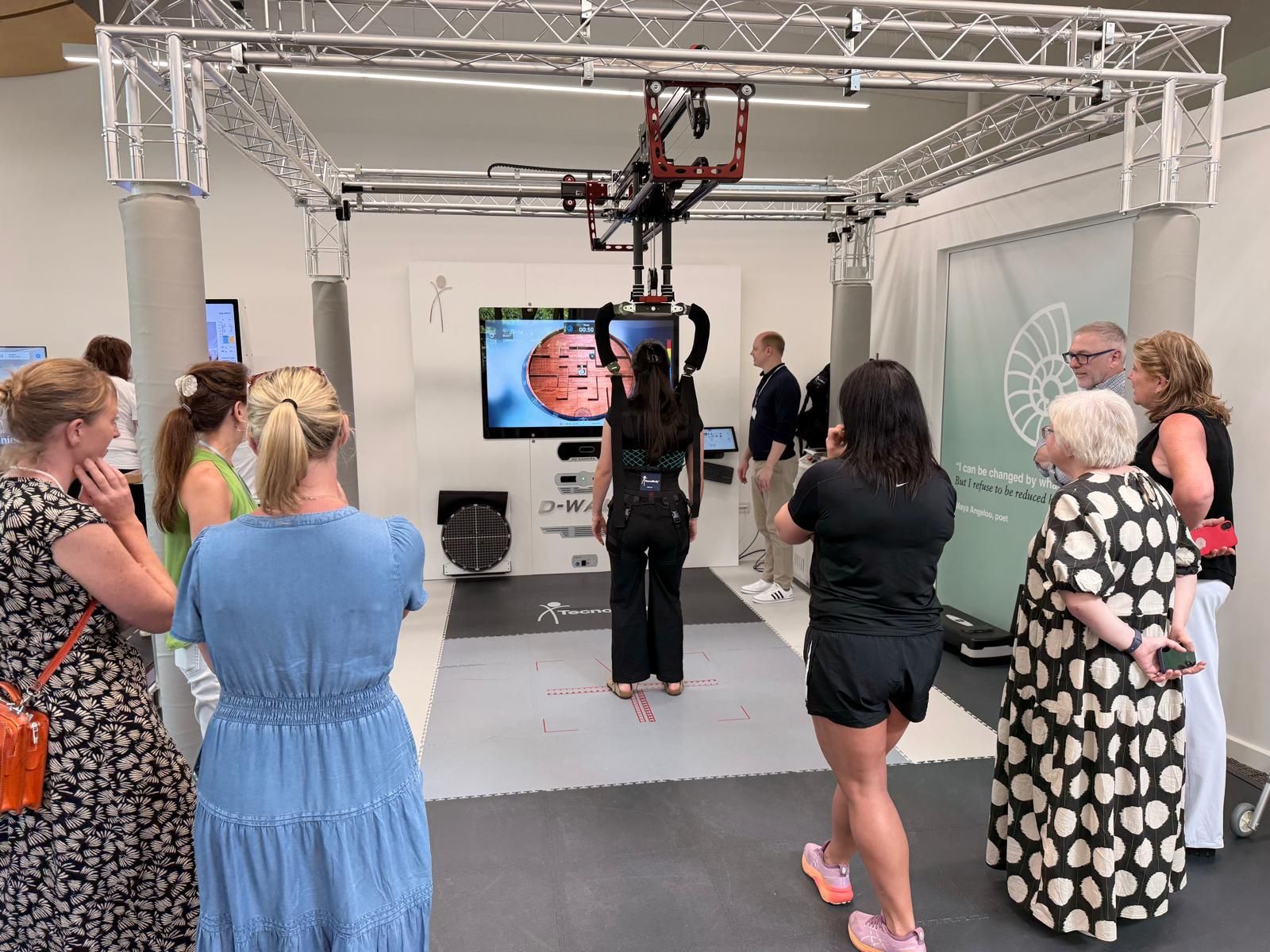
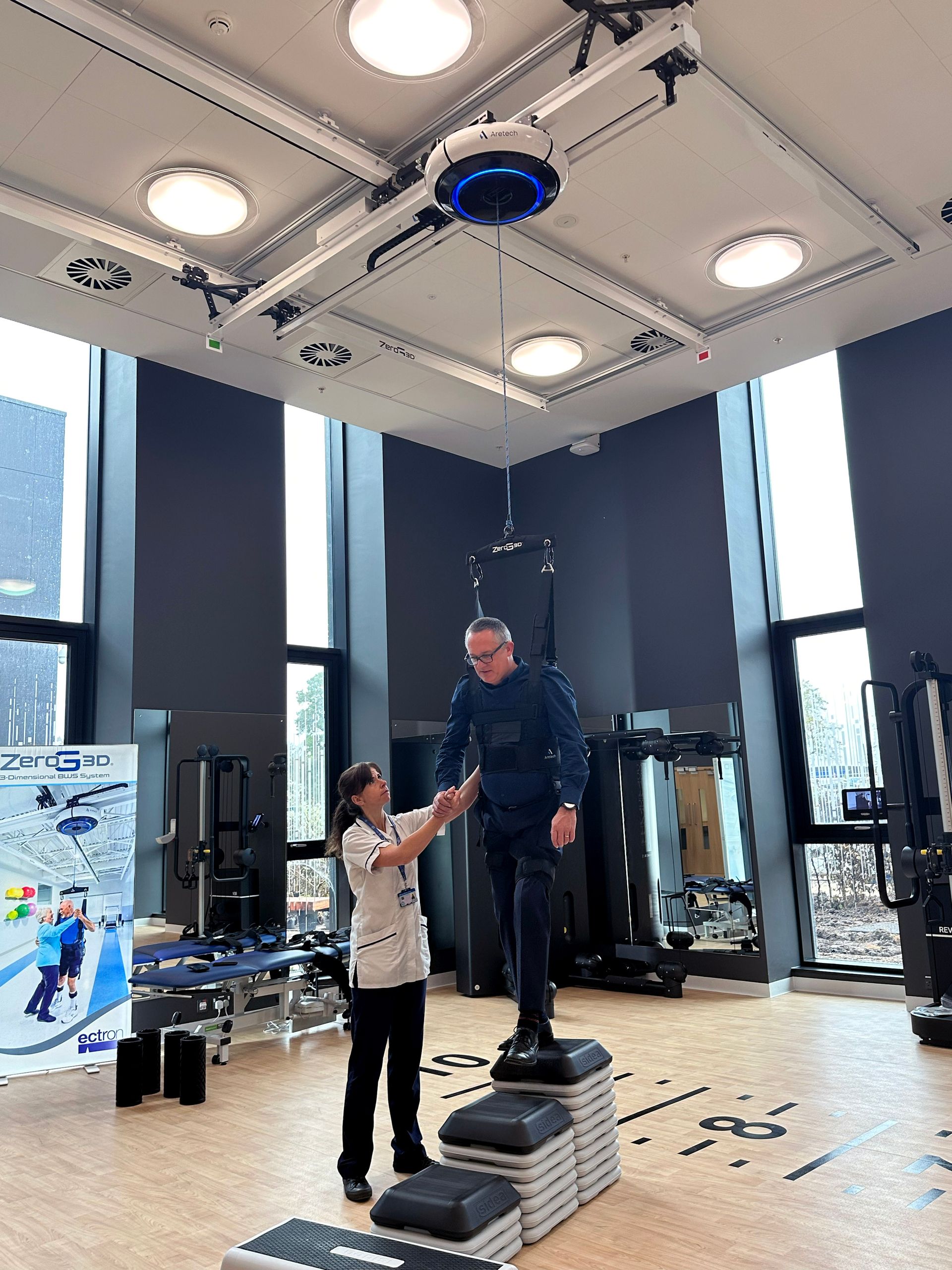
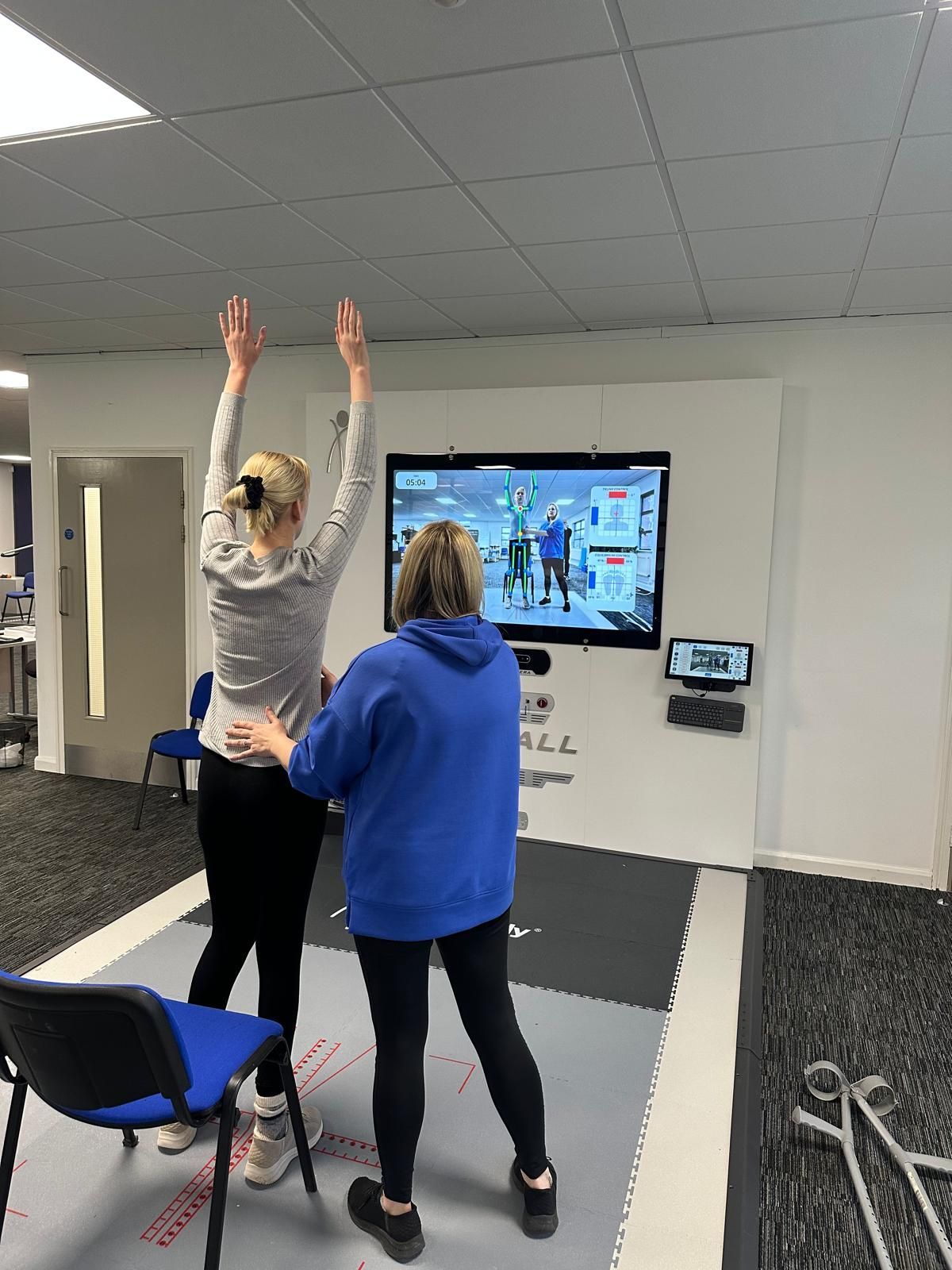
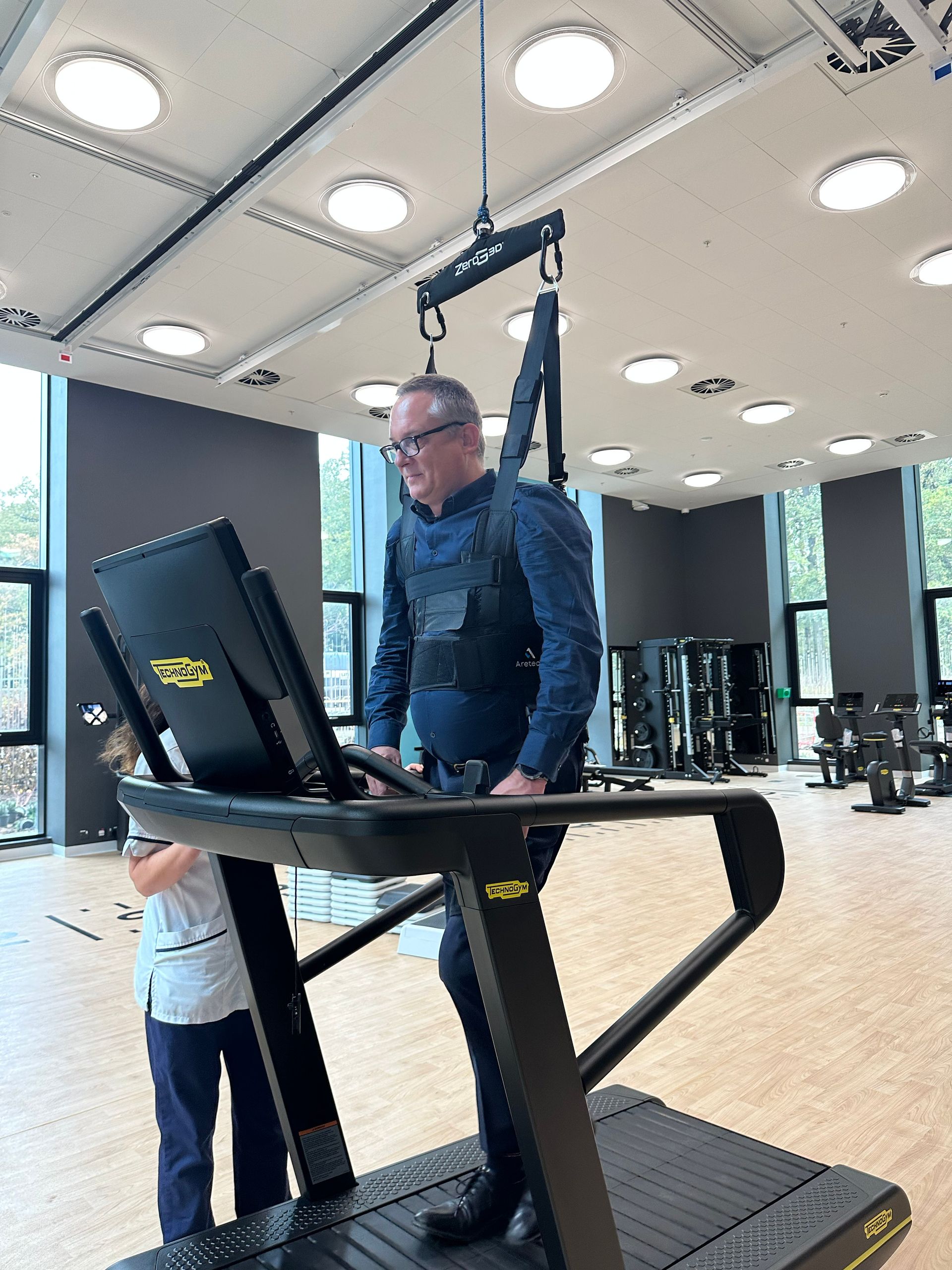
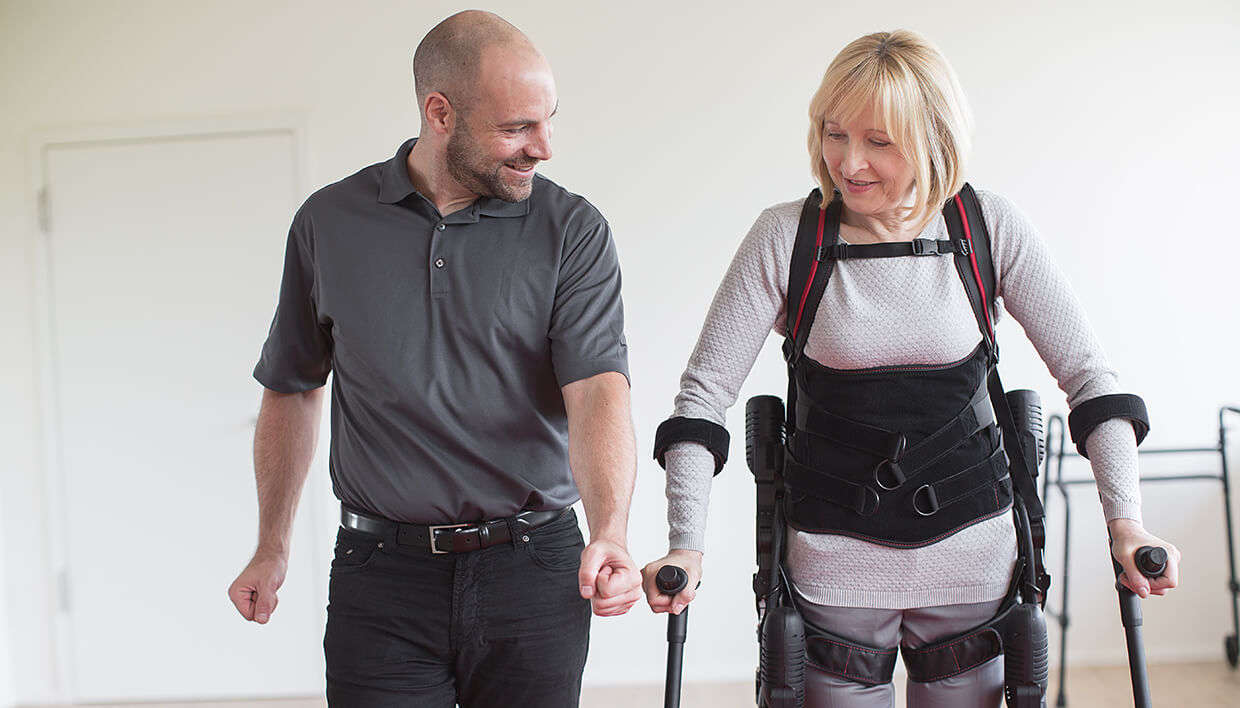
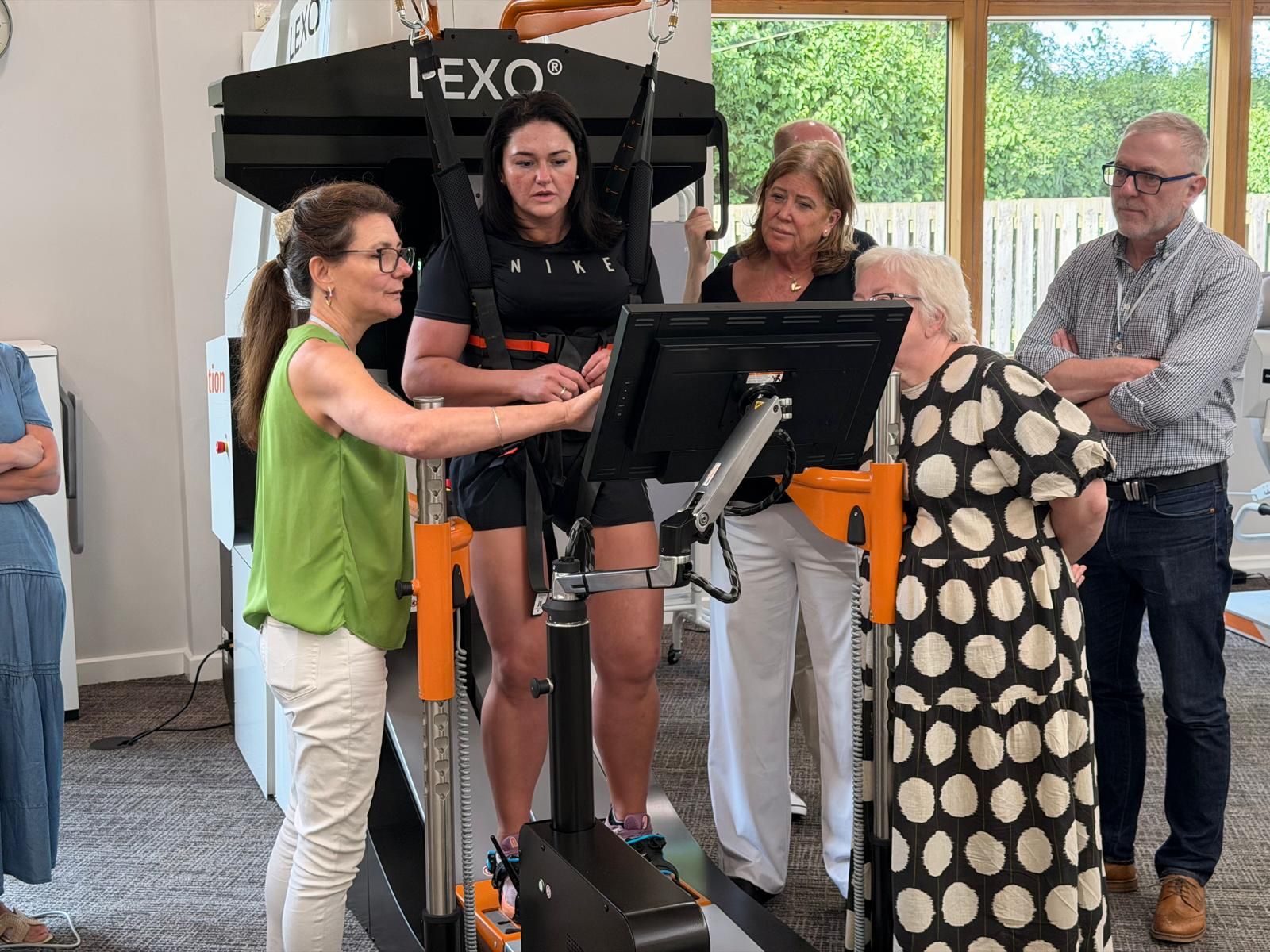
Whether it’s robotic gait training, dynamic body-weight support, balance assessment, upper-limb rehabilitation or interactive therapy, technology can demonstrate that your clinic is investing in modern approaches to rehabilitation. That is something you can communicate across your website, social media, marketing materials and patient conversations.


Give potential patients a reason to choose you

When someone is researching rehabilitation clinics, they want to know one thing: “Why should I choose this clinic?”


Technology can help answer that question. Being able to showcase your facilities and demonstrate the technology available gives potential patients a better understanding of what they can expect from your clinic. Videos, patient stories, demonstrations and educational content can bring your services to life and help turn someone researching online into someone making an enquiry.


Turn technology into a marketing opportunity

Your rehabilitation equipment can become a valuable source of content. Rather than simply listing the technology you have on your website, show people what it actually does.

You could create:

  • Videos demonstrating equipment in use
  • Reels explaining different rehabilitation technologies
  • Therapist-led demonstrations
  • Educational posts about specific conditions and rehabilitation
  • Patient stories and testimonials
  • Behind-the-scenes content from your clinic
  • Dedicated website pages showcasing your technology and services


This helps potential patients understand your offering while positioning your clinic as knowledgeable, progressive and invested in rehabilitation.


Support new services and new revenue opportunities

Technology can also open the door to developing new services. A new rehabilitation system may allow your clinic to expand the conditions, patient groups or therapy programmes you can support. It could help you introduce specialist rehabilitation pathways, attract referrals from new sources or offer additional services to existing patients. That means the investment isn’t simply about having another piece of equipment in the clinic, it can become part of a wider growth strategy.


Support your team as your clinic grows

Business growth isn’t only about attracting more patients. It’s also about making sure your team has the tools and expertise to support that growth.

Modern rehabilitation technology can provide therapists with additional data, assessment tools and feedback to complement their clinical expertise. Providing training and ongoing support can also help your team get the most from the technology, build confidence and integrate it effectively into their existing clinical pathways.


Think beyond the equipment

One of the biggest considerations when investing in rehabilitation technology should be: “How can this support the growth of my clinic?” That means looking beyond the initial purchase and considering the bigger picture.

  • How will you introduce it to patients?
  • How will you market it?
  • Which new services could it support?
  • Could it help you attract new referral partners?
  • How can your team use it effectively?
  • And how can you measure whether the investment is delivering a return?

Having the right technology is one part of the equation. Having the right strategy around it is just as important.


Business growth support can make the difference

For clinics investing in new rehabilitation technology, support shouldn’t stop once the equipment is installed. Understanding how to make the most of that investment from both a clinical and business perspective can help maximise its potential. From identifying opportunities to expand your services and attract new patients, to helping your team understand the technology and communicating its benefits effectively, a more complete approach can help turn technology into a genuine growth opportunity.


The right rehabilitation technology can help you deliver engaging, measurable and personalised therapy, but its potential can go much further. It can help your clinic stand out, attract new patients, develop services, support your team and create opportunities for sustainable growth.


Because investing in rehabilitation technology shouldn’t just be about asking “What can this equipment do?”

It should also be about asking: “What could this equipment help our clinic become?”


If you’re considering investing in rehabilitation technology and want to explore how it could support both your clinical services and your business growth, speak to a member of the Ectron team to find out more.
Want to see how rehabilitation technology could support your clinic’s next stage of growth? Get in touch with the Ectron team.


Email:

enquiries@ectron.co.uk

Telephone:

+44 (0)117 9413979

CONTACT US

Share this post

More Recent News

By Giuliana Kinnerly • March 25, 2026
When it comes to recovery after a stroke, spinal cord injury or neurological condition, timing is everything. Early rehabilitation isn’t just beneficial, it can be the difference between limited recovery and life-changing progress. With advances in rehabilitation technology, clinicians can now start therapy sooner, deliver more effective treatment, and ultimately improve long-term outcomes for patients. So why does early intervention matter? After a neurological injury such as stroke, spinal cord injury, or traumatic brain injury, the brain enters a critical window of heightened neuroplasticity. This is when it’s most responsive to forming new neural connections and relearning movement patterns. If rehabilitation is delayed: Muscles weaken and joints stiffen Compensatory (often incorrect) movement patterns develop Motivation and engagement can drop Long-term recovery potential may be reduced Starting rehab early helps patients: Maintain muscle tone and joint mobility Reinforce correct movement patterns from the outset Reduce complications like spasticity or contractures Build confidence and motivation sooner Where rehabilitation technology comes in... One of the biggest challenges in early rehab is that many patients are unable to move independently. This is where advanced technology becomes essential. Robotic and sensor-based systems allow patients to begin therapy earlier, with the right level of support, guidance and progression, something traditional therapy alone cannot always provide. Supporting recovery from day one with key technologies Ectron provides a complete ecosystem of rehabilitation solutions, each targeting a different aspect of recovery, from early mobilisation to advanced functional training. Upper limb rehabilitation Devices like Amadeo , Diego , and Pablo enable patients to start rebuilding movement in the arms and hands from the earliest stages. Amadeo supports fine motor recovery through highly repetitive finger and hand training Diego uses intelligent gravity support to allow movement even in very weak arms, enabling task-based therapy across all stages Pablo provides interactive, full-body therapy with real-time feedback, helping patients practise everyday movements and track progress Together, these technologies ensure patients can begin therapy even with minimal voluntary movement. Lower limb and mobility training Regaining the ability to stand and walk is often a key goal, and early intervention is critical. Technologies such as LEXO , Omego Plus , and EksoNR support safe, intensive mobility training. LEXO delivers repetitive, guided walking practice with real-time feedback Omego Plus combines cycling, stepping and leg training to build strength and coordination across all stages EksoNR enables supported standing and walking, helping patients begin gait training earlier This allows patients to experience movement sooner, even when independent walking isn’t yet possible. Balance, coordination and functional training Recovery isn’t just about movement, it’s about control, coordination and real-life function. Devices like TYMO and MYRO bridge the gap between basic movement and everyday activities. TYMO focuses on balance, weight shifting and postural control MYRO uses interactive, task-based exercises to combine physical and cognitive rehabilitation These systems help patients transition from supported movement to functional independence. Why does this technology makes a difference? Earlier mobilisation Robotic systems allow therapy to begin sooner by supporting body weight, guiding movement and adapting to patient ability. This helps prevent muscle loss and supports overall recovery from the outset. Increased repetition and intensity Recovery relies on repetition, and these technologies enable far more high-quality movements than traditional therapy alone. Personalised, adaptive therapy Every patient is different. These systems adjust in real time, providing the right level of assistance or challenge throughout recovery. Data-driven progress tracking Objective data allows clinicians to measure improvement, tailor treatment, and keep patients motivated with visible progress. Improved engagement and motivation Gamified therapy, real-time feedback and interactive exercises make rehabilitation more engaging, especially in the early stages when motivation can be low. The long-term impact of early, technology-led rehabilitation When early intervention is combined with advanced rehabilitation technology, the results can be transformative: Faster functional recovery Greater independence in daily life Reduced long-term care needs Improved patient confidence and quality of life Ectron’s integrated approach, combining devices like Amadeo, Diego, LEXO, Omego Plus, Pablo and more, creates a seamless rehabilitation journey from early-stage recovery through to advanced performance. Because in rehabilitation, it’s not just about starting, it’s about starting early, and starting right...
By Giuliana Kinnerly • March 11, 2026
Robotic rehabilitation is transforming the way neurological recovery is supported, but for many people, it can still feel a little unclear. What does it actually do, and how does it help patients recover after stroke, spinal injury or neurological conditions? In simple terms, robotic rehabilitation technology is designed to support movement, repetition and progress. It works alongside therapists to help patients rebuild strength, coordination and independence at every stage of recovery. Supporting Recovery After Stroke and Neurological Injury After a stroke, spinal cord injury or neurological condition, the brain and body often need to relearn how to move. This can be a long and challenging process that requires consistent, repetitive and targeted therapy. Robotic rehabilitation devices help by guiding and supporting movement in a controlled, safe way. Whether it’s helping a patient take steps, move their arms or improve hand function, the technology enables high levels of repetition that are essential for retraining the brain and muscles. This repetitive, task-specific training supports neuroplasticity, the brain’s ability to form new connections and relearn skills after injury. Encouraging Early and Safe Movement One of the biggest benefits of robotic rehabilitation is that it allows patients to begin movement earlier in their recovery, often sooner than with traditional therapy alone. The technology can support body weight, guide limbs and adjust to each patient’s ability, meaning therapy can start gently and build over time. This early movement can help prevent muscle loss, improve circulation and support overall recovery. It also creates a safe environment where patients can practise movement with reduced risk of strain or injury. Building Confidence and Motivation Recovery can be physically and emotionally demanding. Robotic rehabilitation often includes interactive feedback and measurable progress, helping patients see how they are improving over time. Being able to track progress, whether it’s increased strength, range of motion or endurance, can be hugely motivating. Patients often feel more engaged in their therapy when they can clearly see their development and achievements. This boost in confidence can play an important role in maintaining motivation throughout rehabilitation. Supporting Therapists, Not Replacing Them Robotic rehabilitation doesn’t replace therapists, it enhances the work they do. The technology supports therapists by reducing the physical strain of repetitive movement assistance and enabling longer, more consistent therapy sessions. This allows clinicians to focus on tailoring treatment, analysing progress and supporting each patient’s individual goals. It’s a collaborative approach, combining clinical expertise with innovative tools to achieve the best possible outcomes. Personalised to Every Patient No two recovery journeys are the same. Robotic rehabilitation systems can be adjusted to suit each patient’s needs, whether they require full support with movement or are ready for more active, resistive training. As strength and ability improve, the technology adapts, providing the right level of challenge and support at every stage. A Modern Approach to Rehabilitation Robotic rehabilitation is helping clinics and therapy centres provide high-quality, consistent and measurable therapy for patients recovering from neurological injury. By supporting early movement, increasing repetition and tracking progress, it plays a valuable role in helping patients regain independence and confidence. Most importantly, it offers something every patient needs during recovery: the opportunity to keep moving forward. Here are some of the robotic devices we can provide: LEXO – A state-of-the-art robotic gait trainer offering highly adaptive, safe, and intensive walking rehabilitation. Amadeo – A globally recognised robotic hand therapy system, enabling early, highly repetitive fine-motor rehabilitation. Omego Plus – A lower-limb robotic trainer ideal for early mobilisation and targeted strength and coordination work. Diego – A sophisticated upper-limb robotic exoskeleton supporting arm movement for patients with severe weakness. Ekso NR – A robotic exoskeleton that helps to practise standing and walking during rehabilitation. Each device is among the best in its class, offering unparalleled scope for personalised rehabilitation, spanning early acute recovery through to high-level performance retraining. Take a look below...
By Giuliana Kinnerly • November 26, 2025
Ectron’s Role in Transforming Rehabilitation at the National Rehabilitation Centre The launch of the National Rehabilitation Centre (NRC) marks a defining moment for the future of rehabilitation in the UK - and Ectron is incredibly proud to play a integral role in bringing world-leading robotic technology into the heart of the NHS. As pioneers in advanced rehabilitation solutions, we’ve partnered with the NRC to deliver a comprehensive suite of cutting-edge systems designed to support patients with life-changing injuries on their journey back to independence. This is one of the most ambitious and forward-thinking robotics installations ever seen in the NHS, and a milestone not just for Ectron, but for rehabilitation nationwide. The brand-new £105 million NHS National Rehabilitation Centre (NRC), run by Nottingham University Hospitals NHS Trust, has unveiled the most comprehensive robotics suite in the NHS. The pioneering robotics suite features cutting-edge technology from across Europe, including robots and devices which can be used when helping patients to walk again, relearn how to use their hands, and build function in specific parts of their body. The NRC is a 70-bed, state-of-the-art specialist rehabilitation centre for NHS patients who have experienced a life-changing illness or injury and is co-located with the Defence Medical Rehabilitation Centre (DMRC) on the Stanford Hall Rehabilitation Estate (SHRE) near Loughborough. A Fully Integrated Robotic Therapy Suite Ectron has supplied an entire ecosystem of leading technologies, each addressing a different aspect of physical recovery. Together, they form a seamless, multidisciplinary toolkit for therapists — enabling personalised, data-driven, intensive therapy that was previously only possible in specialist centres abroad. The NRC now features: LEXO – A state-of-the-art robotic gait trainer offering highly adaptive, safe, and intensive walking rehabilitation. D-Wall – An interactive digital mirror system that blends motion capture, balance training and functional movement work into a single immersive platform. Fesia Grasp & Fesia Walk – Advanced functional electrical stimulation devices that help retrain upper and lower limb muscle activation with remarkable precision. Amadeo – A globally recognised robotic hand therapy system, enabling early, highly repetitive fine-motor rehabilitation. MYRO – A sensor-based interactive therapy surface allowing task-oriented training that bridges physical and cognitive rehabilitation. Omego Plus – A lower-limb robotic trainer ideal for early mobilisation and targeted strength and coordination work. Diego – A sophisticated upper-limb robotic exoskeleton supporting arm movement for patients with severe weakness. Pablo – A versatile assessment and therapy system providing objective data and game-based training for both upper and lower limbs. Tymo – A lightweight wireless balance plate for dynamic postural training and progress tracking. Homing TT – A compact, powerful solution for practising functional reaching and movement control. Each device is among the best in its class - but together, they offer unparalleled scope for personalised rehabilitation, spanning early acute recovery through to high-level performance retraining.
Show More