What Does Robotic Rehabilitation Actually Do?
Robotic rehabilitation is transforming the way neurological recovery is supported, but for many people, it can still feel a little unclear. What does it actually do, and how does it help patients recover after stroke, spinal injury or neurological conditions?
In simple terms, robotic rehabilitation technology is designed to support movement, repetition and progress. It works alongside therapists to help patients rebuild strength, coordination and independence at every stage of recovery.
Supporting Recovery After Stroke and Neurological Injury
After a stroke, spinal cord injury or neurological condition, the brain and body often need to relearn how to move. This can be a long and challenging process that requires consistent, repetitive and targeted therapy.
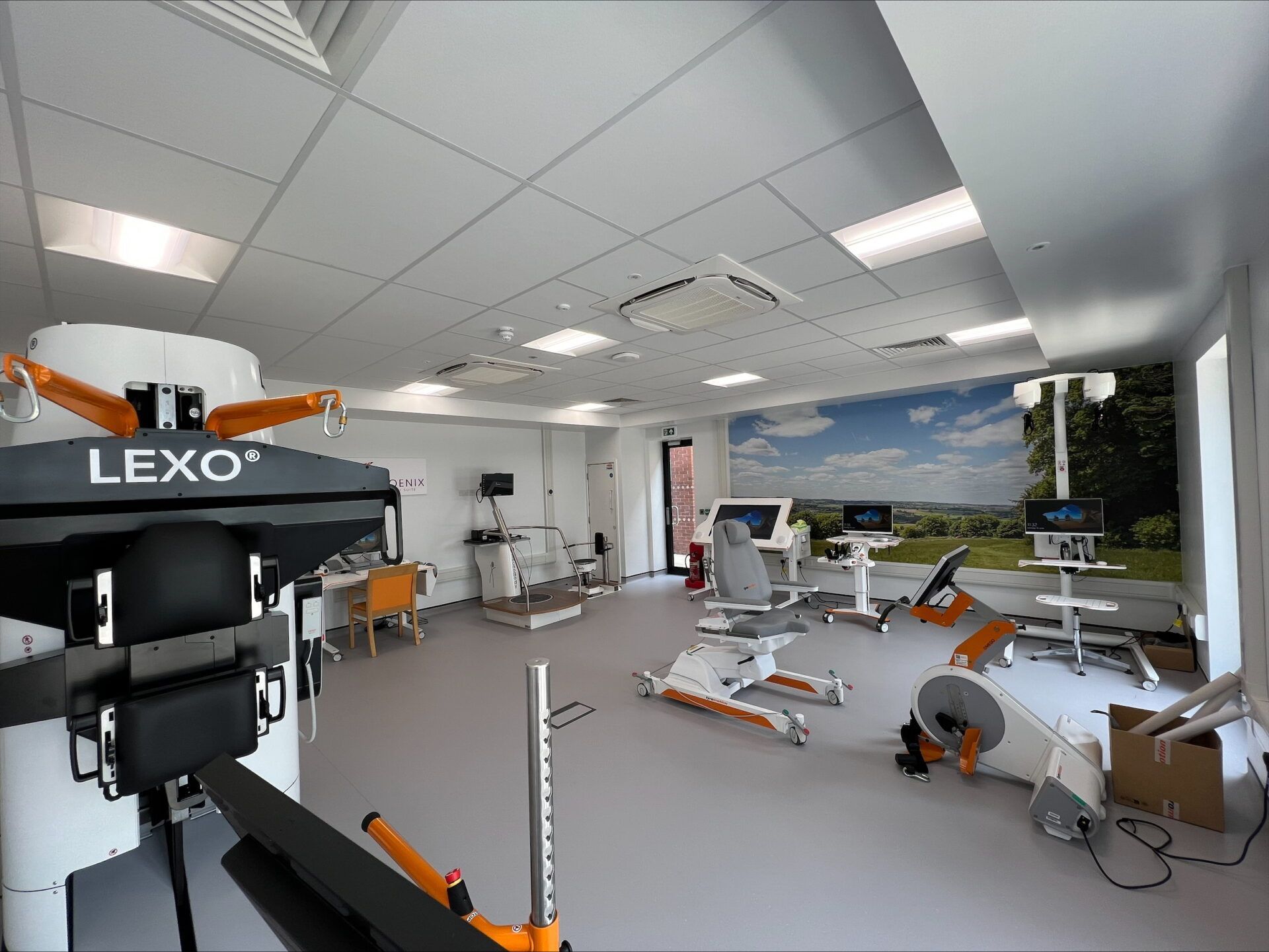
Robotic rehabilitation devices help by guiding and supporting movement in a controlled, safe way. Whether it’s helping a patient take steps, move their arms or improve hand function, the technology enables high levels of repetition that are essential for retraining the brain and muscles.
This repetitive, task-specific training supports neuroplasticity, the brain’s ability to form new connections and relearn skills after injury.
Encouraging Early and Safe Movement
One of the biggest benefits of robotic rehabilitation is that it allows patients to begin movement earlier in their recovery, often sooner than with traditional therapy alone.
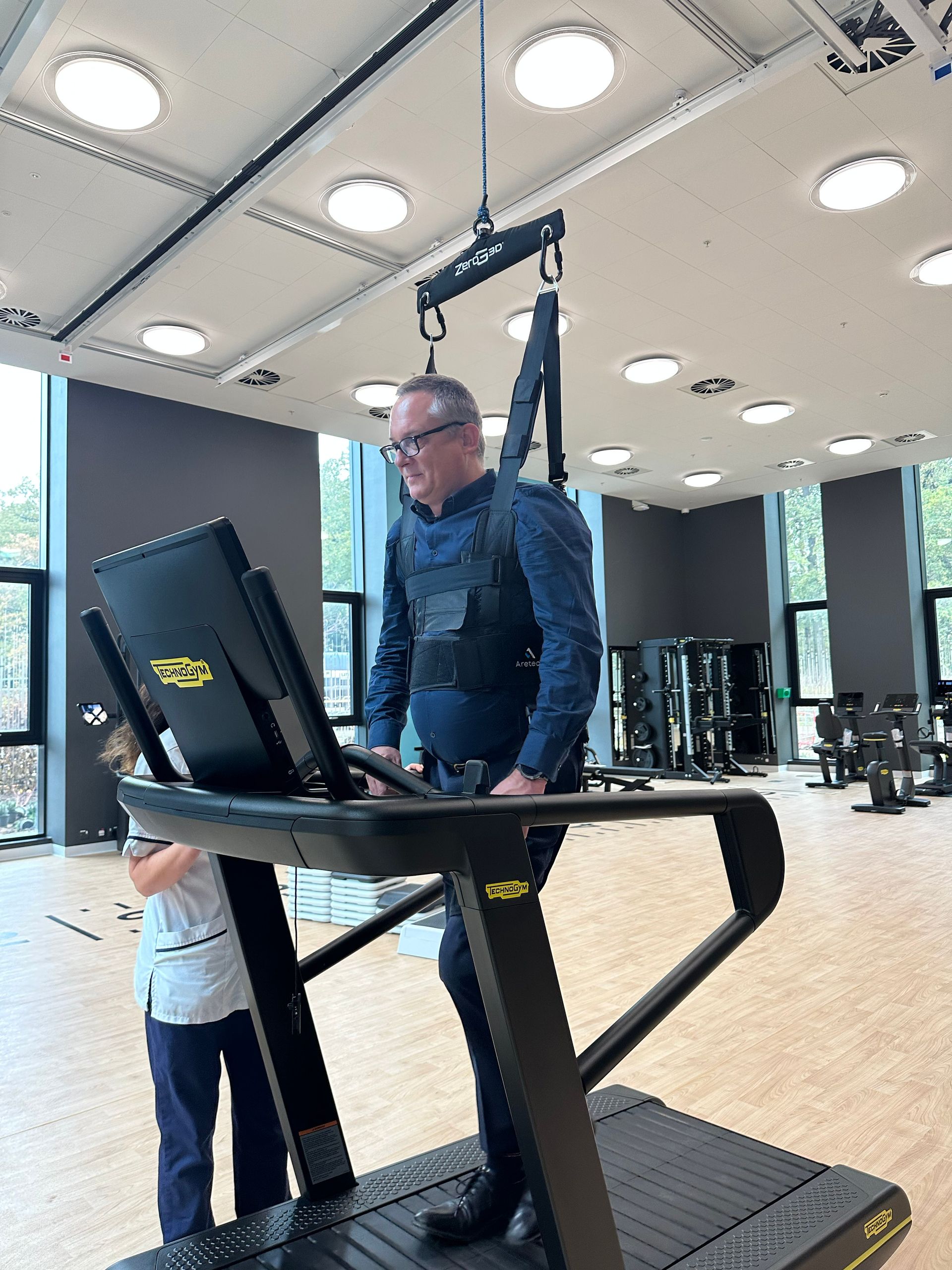
The technology can support body weight, guide limbs and adjust to each patient’s ability, meaning therapy can start gently and build over time. This early movement can help prevent muscle loss, improve circulation and support overall recovery.
It also creates a safe environment where patients can practise movement with reduced risk of strain or injury.
Building Confidence and Motivation
Recovery can be physically and emotionally demanding. Robotic rehabilitation often includes interactive feedback and measurable progress, helping patients see how they are improving over time.
Being able to track progress, whether it’s increased strength, range of motion or endurance, can be hugely motivating. Patients often feel more engaged in their therapy when they can clearly see their development and achievements.
This boost in confidence can play an important role in maintaining motivation throughout rehabilitation.
Supporting Therapists, Not Replacing Them
Robotic rehabilitation doesn’t replace therapists, it enhances the work they do.
The technology supports therapists by reducing the physical strain of repetitive movement assistance and enabling longer, more consistent therapy sessions. This allows clinicians to focus on tailoring treatment, analysing progress and supporting each patient’s individual goals.
It’s a collaborative approach, combining clinical expertise with innovative tools to achieve the best possible outcomes.
Personalised to Every Patient
No two recovery journeys are the same. Robotic rehabilitation systems can be adjusted to suit each patient’s needs, whether they require full support with movement or are ready for more active, resistive training.
As strength and ability improve, the technology adapts, providing the right level of challenge and support at every stage.
A Modern Approach to Rehabilitation
Robotic rehabilitation is helping clinics and therapy centres provide high-quality, consistent and measurable therapy for patients recovering from neurological injury.
By supporting early movement, increasing repetition and tracking progress, it plays a valuable role in helping patients regain independence and confidence.
Most importantly, it offers something every patient needs during recovery: the opportunity to keep moving forward.
Here are some of the robotic devices we can provide:
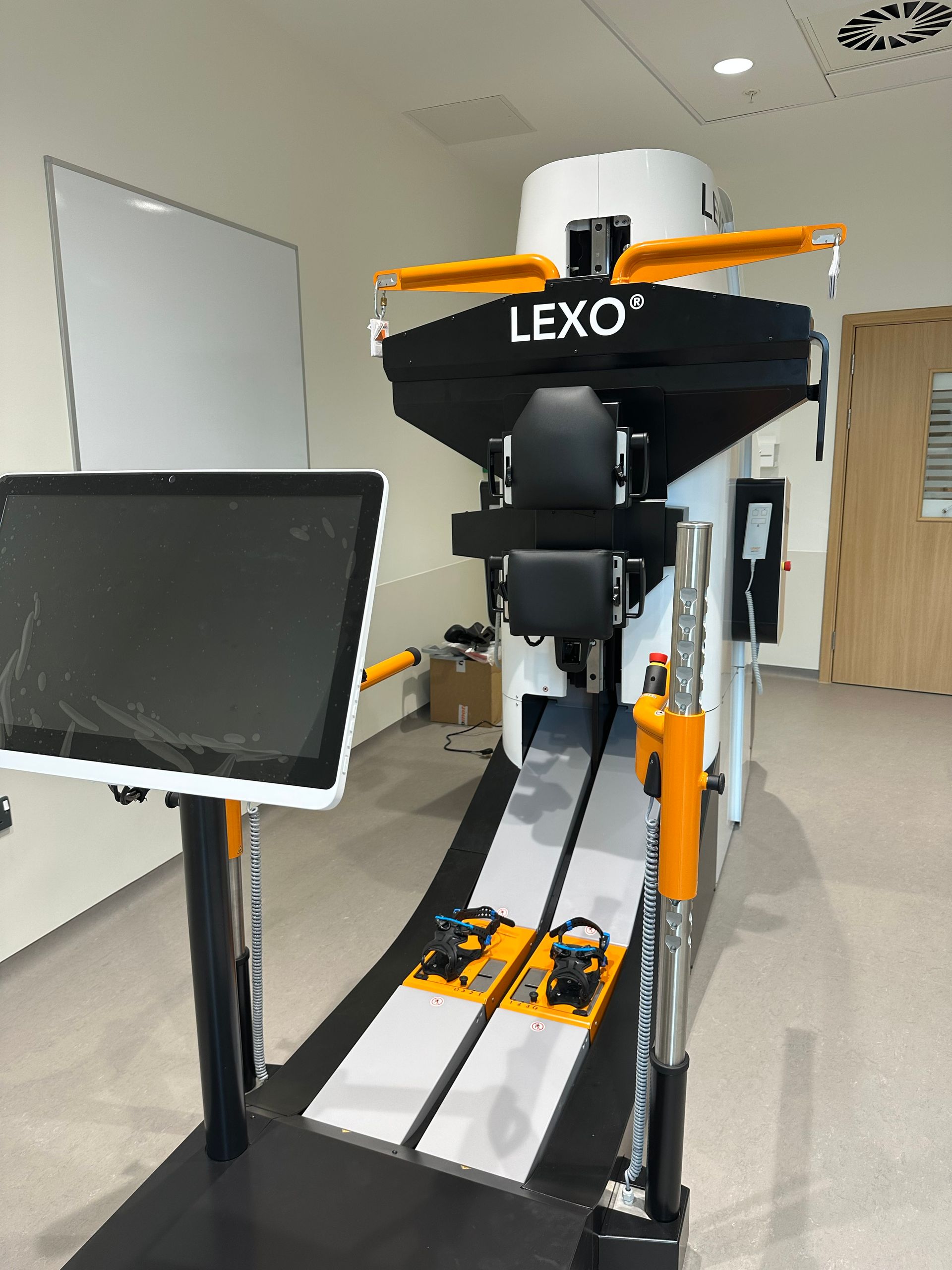
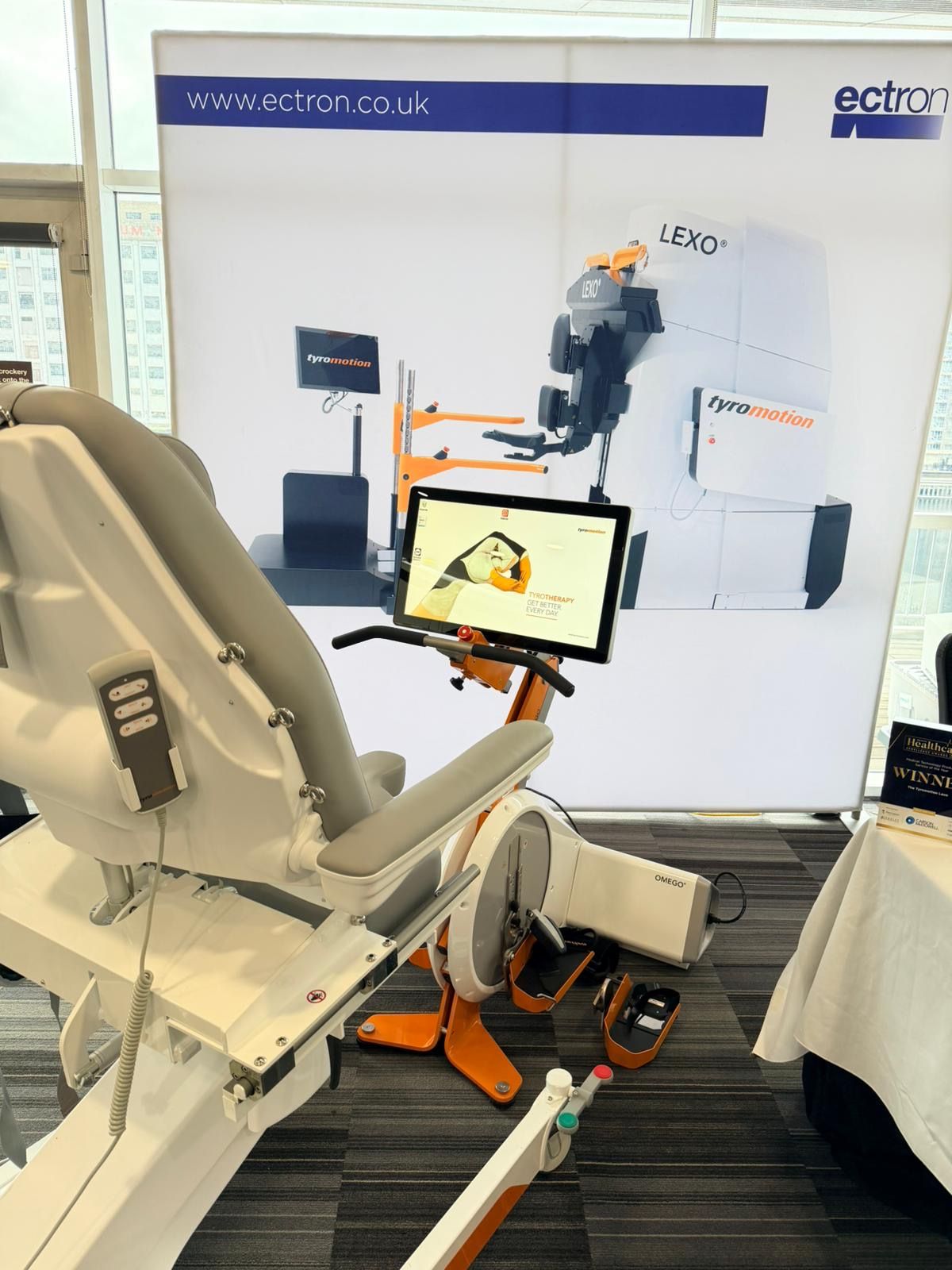
- LEXO – A state-of-the-art robotic gait trainer offering highly adaptive, safe, and intensive walking rehabilitation.
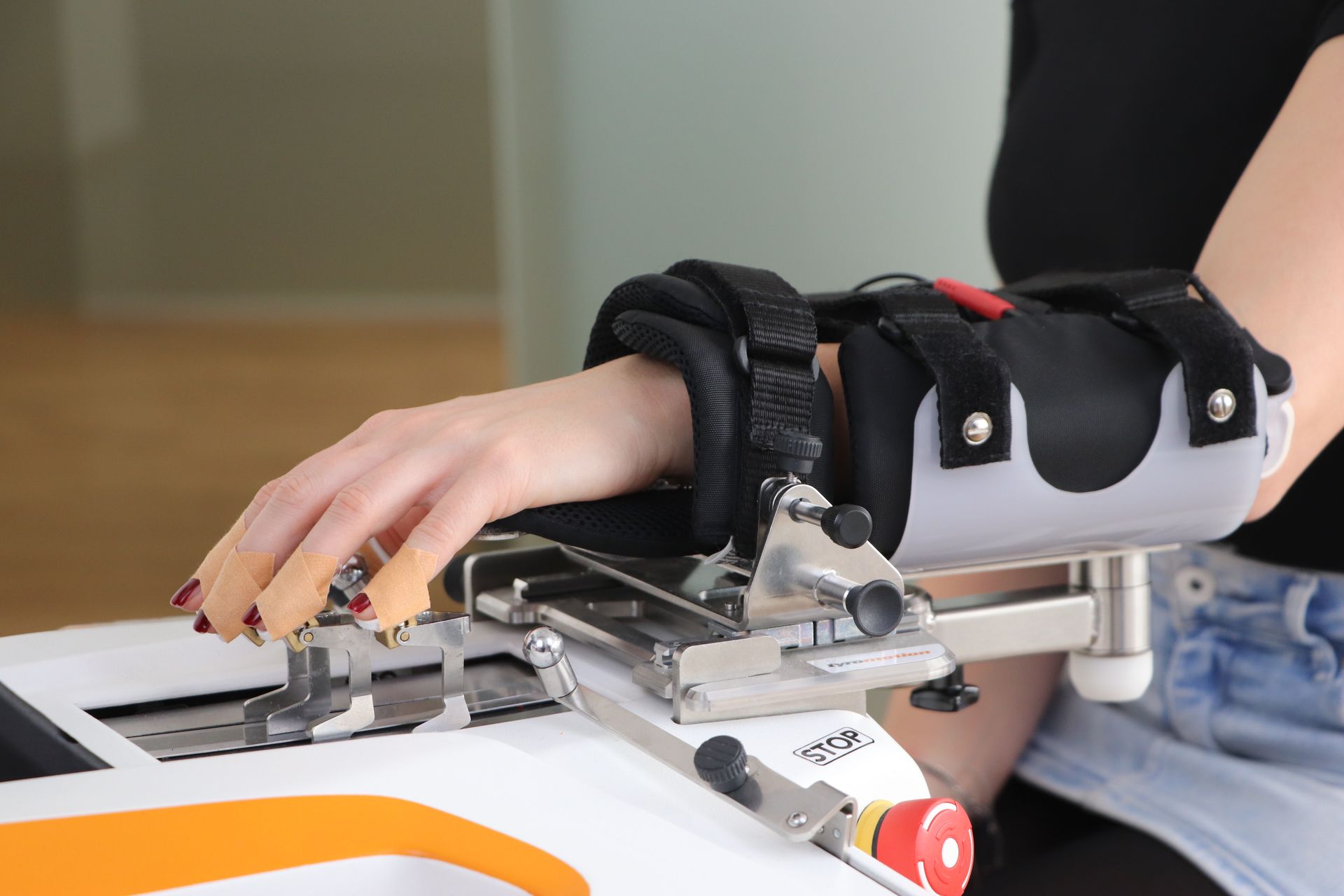
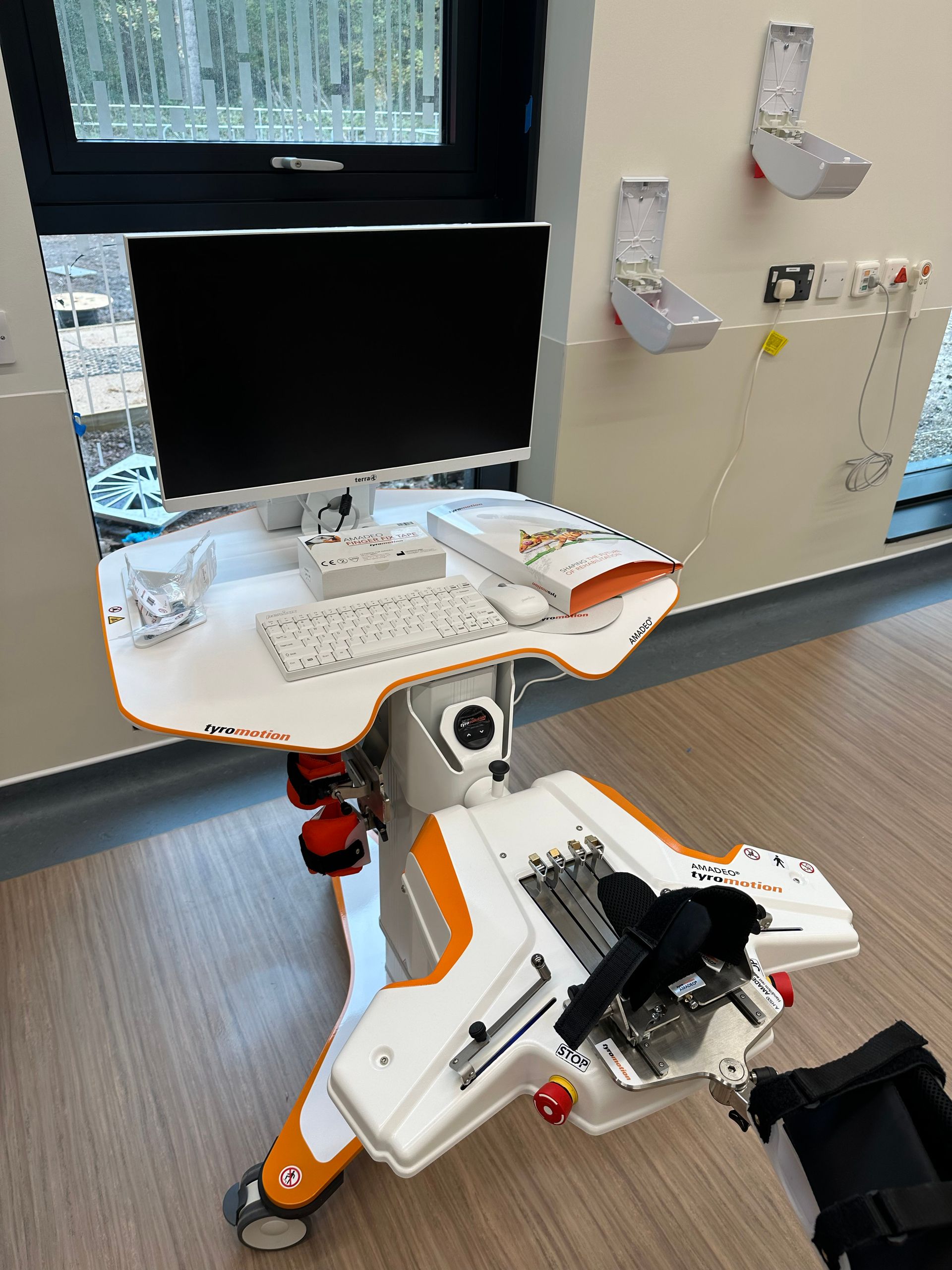
- Amadeo – A globally recognised robotic hand therapy system, enabling early, highly repetitive fine-motor rehabilitation.
- Omego Plus – A lower-limb robotic trainer ideal for early mobilisation and targeted strength and coordination work.
- Diego – A sophisticated upper-limb robotic exoskeleton supporting arm movement for patients with severe weakness.
- Ekso NR – A robotic exoskeleton that helps to practise standing and walking during rehabilitation.
Each device is among the best in its class, offering unparalleled scope for personalised rehabilitation, spanning early acute recovery through to high-level performance retraining. Take a look below...
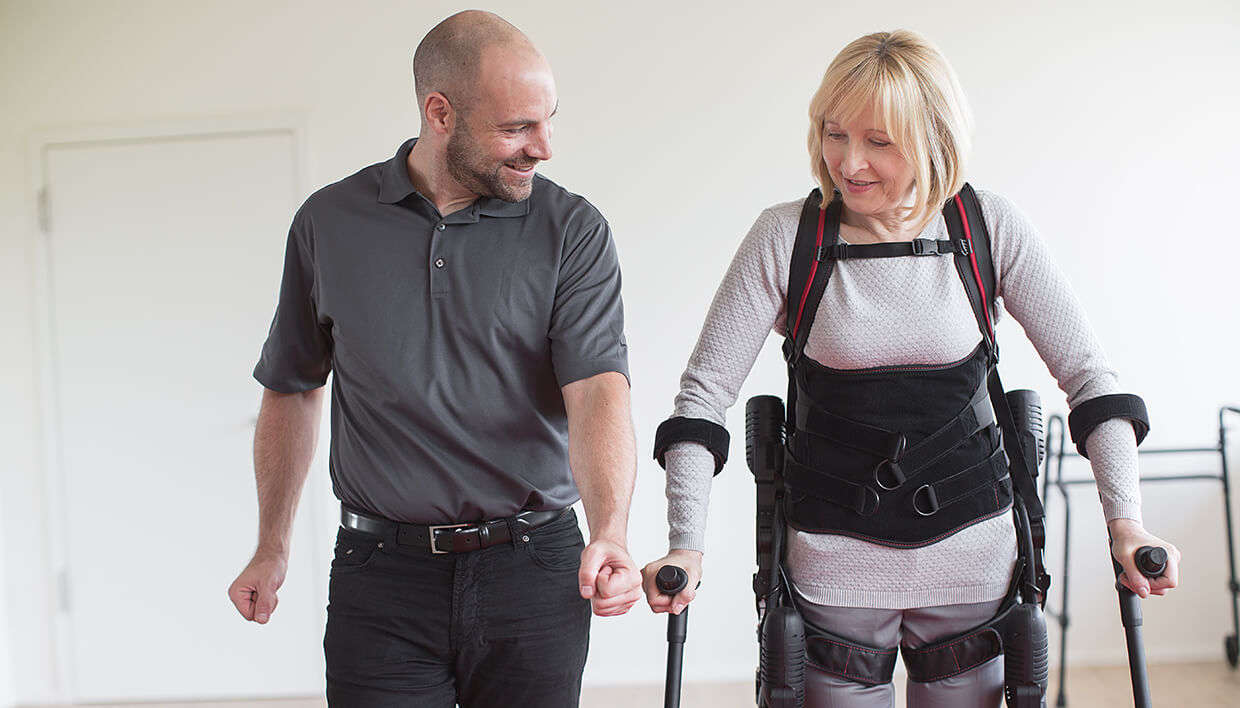
If you’d like to learn more about how robotic rehabilitation can support recovery, our team is here to help. Get in touch to find out how technologies like the EksoNR are helping people regain movement, confidence and independence.
Email:
Telephone:
+44 (0)117 9413979
Share this post
More Recent News